

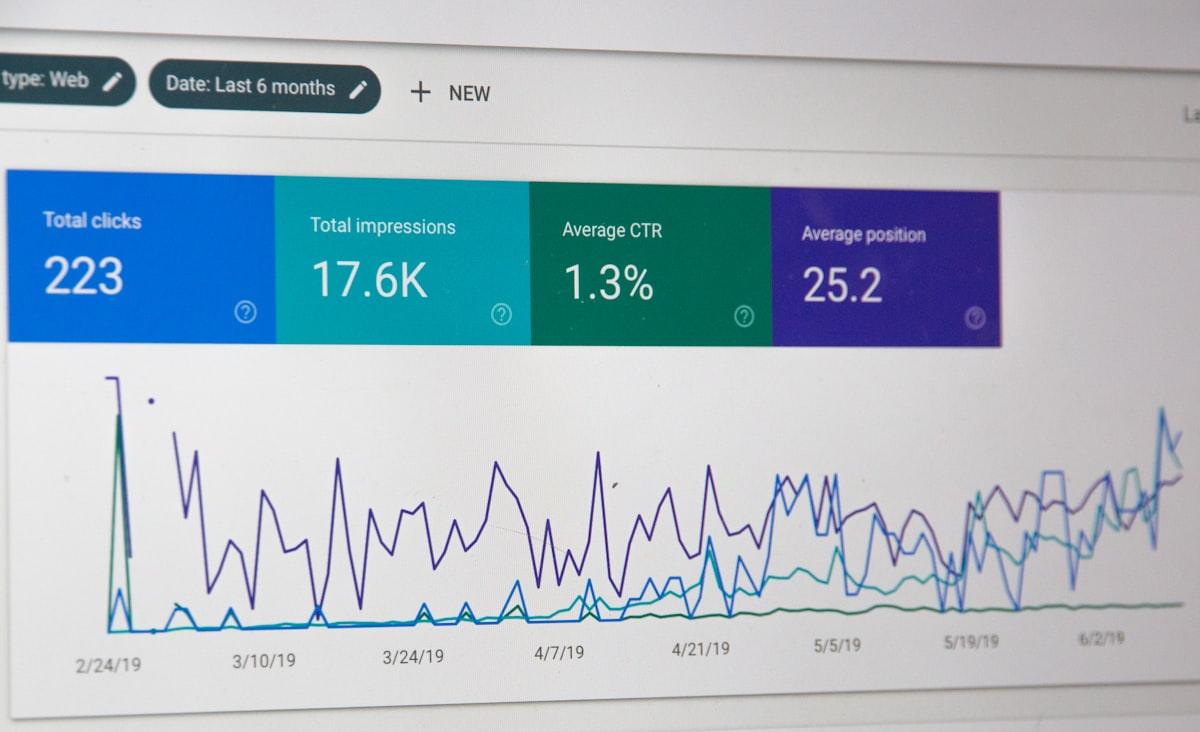
Finding low competition keywords with high traffic is one of the most practical SEO moves you can make as a small site owner. It sounds simple, but most people either target keywords that are way too competitive or settle for terms nobody actually searches for. This guide walks you through exactly how to find that sweet spot and build real, steady traffic from it.
What you’ll learn:
- What low competition keywords actually are and how difficulty scores work
- Why this strategy is especially powerful for smaller sites
- How to build and filter a keyword list from scratch
- Advanced tactics for finding hidden opportunities
- Common mistakes that stall your rankings
- How to put your keywords to work inside your content
What Are Low Competition Keywords (And Why They’re a Big Deal)?
Low competition keywords are search phrases that very few websites are actively trying to rank for. They give newer and smaller websites a realistic shot at reaching page one because search engines have fewer strong competing pages to sort through. Think of it like entering a race with ten runners instead of ten thousand.
Most beginners make the mistake of going after the most obvious keywords in their niche. That means competing head-to-head with sites that have been building authority for years. Low competition keywords let you sidestep that fight entirely.
Keyword Difficulty vs. Competition: What’s the Difference?
These two terms get mixed up constantly, and it matters that you understand the difference. Keyword difficulty (KD) is a number that SEO tools calculate, usually on a scale from 1 to 100, based on factors like the backlink strength of pages already ranking. Competition refers to what you actually see when you search the term: who’s on page one right now.
A keyword can have a low KD score but still be difficult to rank for if a massive authority site has a page sitting at the top with thousands of backlinks. On the flip side, a term with a moderate KD score might be totally winnable if the top results are thin forum posts or outdated pages. Always check the actual search results before committing to a keyword, and don’t trust the number alone.
Why High-Traffic, Low-Competition Keywords Are Worth Chasing
The combination of high search volume and low competition is genuinely rare, which is exactly what makes it valuable. When you find one, you can publish a well-targeted article and start ranking without needing a massive backlink profile or years of domain authority.
For small business owners and digital product creators, this matters a lot. You probably don’t have six months to wait on results. A well-chosen low-competition keyword can bring in consistent daily visitors within weeks of publishing. That traffic compounds over time. One solid article targeting a term with 600 monthly searches and almost no real competition can outperform ten articles targeting popular terms you’ll never crack.
The ROI is just better. You spend the same time creating content, but the content actually works.
How to Build Your First Keyword List from Scratch
Start with seed keywords. These are broad terms that describe your niche, your product, or the problems your audience is trying to solve. If you sell printable planners, your seed keywords might be things like “productivity planner,” “daily schedule template,” or “time blocking worksheet.” You’re not targeting these directly yet. They’re your starting point.
Brainstorm ten to twenty seed terms by thinking about what your ideal reader types into Google when they have a problem you can help with. Write them down without overthinking it.
Use Competitor Keywords to Speed Things Up
One of the fastest ways to find keywords worth targeting is to look at what’s already working for other sites in your space. Take a competitor’s URL and plug it into a keyword research tool like Ahrefs, Semrush, or SE Ranking. The tool will show you all the terms that site ranks for, which saves you hours of guessing.
Look for competitors who are a similar size to you, not the biggest names in your niche. A mid-sized blog that’s been around a few years is more useful to analyze than a major brand, because the keywords they rank for are more likely to be realistic targets for you too. This approach surfaces proven keywords with existing demand, and you can quickly spot which ones have low difficulty scores.
Expand Your List with Keyword Research Tools
Once you have your seed keywords, plug them into a research tool to generate related ideas. Tools like Semrush, Ahrefs, SE Ranking, and LowFruits are great for this. If you’re on a tight budget, Google Keyword Planner is free and surprisingly useful. Google’s own autocomplete suggestions and the “People Also Ask” boxes on the results page are also underrated sources of real keyword ideas, because they reflect what people are actually typing.
Your goal at this stage is quantity. Get a big list of related terms, variations, and questions. You’ll filter it down in the next step.
How to Filter for Low Competition and High Search Volume
This is where the list gets useful. Inside most keyword tools, you can filter by keyword difficulty and search volume at the same time. Set a maximum KD of around 20 to 30 as a starting point. That range is generally where smaller sites have a realistic chance. Set a minimum monthly search volume based on what’s meaningful for your goals. Even 200 searches per month can be worth targeting if the intent is strong and the competition is low.
Sort your results by search volume from high to low, then work down the list looking for keywords that fall within your difficulty ceiling. That’s your shortlist.
What Search Volume Actually Means for Small Sites
Don’t let smaller numbers discourage you. A keyword with 500 monthly searches and a KD of 12 is often far more valuable than a keyword with 50,000 monthly searches and a KD of 75. You’ll never rank for the second one, so the traffic number is meaningless to you.
Think about traffic in practical terms. If you rank in the top three for a 400-search-per-month keyword, you might realistically pull in 100 to 150 visitors a month from that one article. Do that ten times with ten well-chosen keywords and you have a real traffic base that grows on its own.
How to Read the SERP Before You Commit to a Keyword
Before you write a word, Google the keyword yourself. Look at who’s ranking on page one. If you see household-name brands, major news outlets, or sites with tens of thousands of backlinks, move on. But if you see mid-sized blogs, forum threads, Reddit posts, or thin pages that don’t really answer the question well, that’s a green light.
Checking the search results before committing is one of the most important habits you can build. A low KD score that’s backed up by weak pages actually ranking is worth a lot more than a low score with strong pages sitting at the top.
Advanced Strategies to Find Low-Competition Keywords
Once you’ve got the basics down, these four tactics will help you find better opportunities faster.
Go After New and Trending Topics Early
New topics have low competition by default because not many people have written about them yet. If you can spot a trend early, you can publish content before the bigger sites notice the opportunity. Google Trends is a practical free tool for this. Search a broad topic and look at the interest graph over time. A rising line with recent growth is worth investigating further.
Keeping an eye on industry news, new tools, regulations, and shifts in how people talk about your niche is another way to catch these early. The goal is to publish before demand peaks, so your content is already there when people start searching.
Target Long-Tail Keyword Variations
Long-tail keywords are phrases made up of three or more words, and they tend to be both more specific and less competitive than shorter, broader terms. Someone searching “digital planner for iPad with hyperlinks” knows exactly what they want. That’s strong intent, and there’s a much smaller pool of sites targeting that exact phrase.
One broad keyword can branch into dozens of long-tail variations. When you’re doing your research, look for these longer phrases in the keyword suggestions. They’re often the easiest wins available.
Use Question-Based Keywords for Easy Wins
Questions starting with how, what, why, and when tend to have lower competition and often trigger featured snippets and “People Also Ask” results in Google. That’s prime real estate, especially for a newer site.
To find these, look at the PAA boxes when you search your seed terms, or use a tool to filter for question-type keywords specifically. A clear, direct answer to a specific question can land you a featured snippet even if your site doesn’t have a ton of authority yet, which means real traffic without needing a top-three ranking.
Run a Content Gap Analysis to Steal Traffic Opportunities
A content gap analysis shows you keywords your competitors rank for that you don’t have content for yet. Most keyword tools have a built-in gap feature where you enter your domain and a competitor’s domain, and it surfaces terms they’re getting traffic from that you’re missing.
This is one of the most targeted ways to find low-competition keywords, because you’re looking at terms with proven demand that your competition has already validated. You’re not guessing whether people search for this. You know they do.
Common Mistakes That Kill Your Chances of Ranking
The biggest one is chasing keywords purely because of search volume. High volume is meaningless if you can’t realistically rank for the term. A 50,000-search keyword where every page-one result is a major brand is not an opportunity for a small site. It’s a dead end.
Trusting KD scores without checking the actual SERP is the second most common problem. The score is a starting filter, not the final word. Always verify manually.
Ignoring search intent will also sink you. A keyword might look perfect on paper but if the searcher wants a product page and you’re writing a blog post, or vice versa, you won’t rank well even if everything else is right. Match your content format to what Google is already showing for that term.
Finally, targeting several keywords that are so similar they’re competing with each other is a common waste. If two articles you publish are going after essentially the same search intent, they’ll compete against each other in the results instead of working together.
How to Use Low-Competition Keywords in Your Content
Once you have a solid keyword list, group related terms by topic and intent before you write anything. Terms that cover similar ground should go into the same article rather than separate posts. Clustering related keywords into one well-built page creates a compounding effect, where the page becomes relevant for multiple related searches and builds stronger visibility over time.
Match each keyword to the right type of content. Informational questions belong in blog posts or guides. Commercial terms belong on product or service pages. Don’t force a keyword onto a page where it doesn’t naturally fit.
Use your main keyword in the title, the opening paragraph, and at least one subheading. Then use related terms naturally throughout the piece without forcing them in. A single, well-targeted article can realistically rank for dozens of related search terms beyond just the one you planned for, which is exactly the kind of compounding return that makes this strategy worth the effort.
Frequently Asked Questions
What counts as a low competition keyword?
A low competition keyword is one where the pages currently ranking on page one are relatively weak, meaning they have few backlinks, low domain authority, or thin content. Most SEO tools use a keyword difficulty score to estimate this. A KD score below 20 to 30 is generally considered low, but always check the actual search results to confirm that weaker pages are ranking before you commit.
How much search volume is worth targeting?
It depends on your goals, but don’t write off smaller numbers. A keyword with 300 monthly searches and low competition can realistically bring in 80 to 120 visitors per month if you rank in the top three. Build up a collection of these and the traffic adds up fast. For a new site, medium-volume, low-difficulty keywords will get you results much faster than high-volume terms you can’t rank for.
Do free tools work for finding low competition keywords?
Yes, especially at the start. Google Keyword Planner, Google autocomplete, and the “People Also Ask” boxes in search results are all free and genuinely useful. They won’t give you exact difficulty scores, but they’ll help you build a solid seed list and spot question-based opportunities. Paid tools like Ahrefs, Semrush, or LowFruits add more filtering power and make the process faster, but free tools are a perfectly valid starting point.
Should I target one keyword per article or multiple?
Multiple, as long as they share the same search intent. Group related terms that a searcher would expect to find in the same piece of content, and cover them all in one well-built article. Don’t spread closely related topics across separate posts, because those posts will end up competing with each other in search results instead of reinforcing each other.
How long does it take to rank for a low competition keyword?
For a newer site, anywhere from a few weeks to a few months is realistic for genuinely low-competition terms. Sites with some existing authority can see results faster. The key factor is how weak the current page-one results are. If thin or outdated content is ranking, a well-written, thorough article can move up quickly. If the competition is stronger than the KD score suggests, it takes longer.
Is it still worth doing keyword research in 2026 with AI search changing things?
Absolutely, but the approach matters more now. AI-generated summaries in search results do reduce clicks on some informational queries, so it’s worth checking whether a keyword triggers an AI Overview before targeting it. Keywords tied to specific decisions, product comparisons, or niche how-to questions tend to still drive solid click-through rates. Prioritizing intent and specificity over raw volume is the right move.